---blog Title---
Maximizing Impact: The Role of Send Time Optimization in Campaign Management
---desktop---

---mobile---

Introduction
Send Time Optimization stands as a sophisticated functionality integrated into the majority of marketing automation and email marketing platforms. This feature enables businesses to send campaigns including email, SMS, text messages or push notifications at the most optimal time to each recipient when they are most likely to be active and engage.
It involves the use of machine learning to analyze historical data, determine when recipients are likely to be receptive and tailors the timing of the message to suit each individual. Send time optimization ensures that messages are delivered at the opportune moment and does not get lost in the clutter.
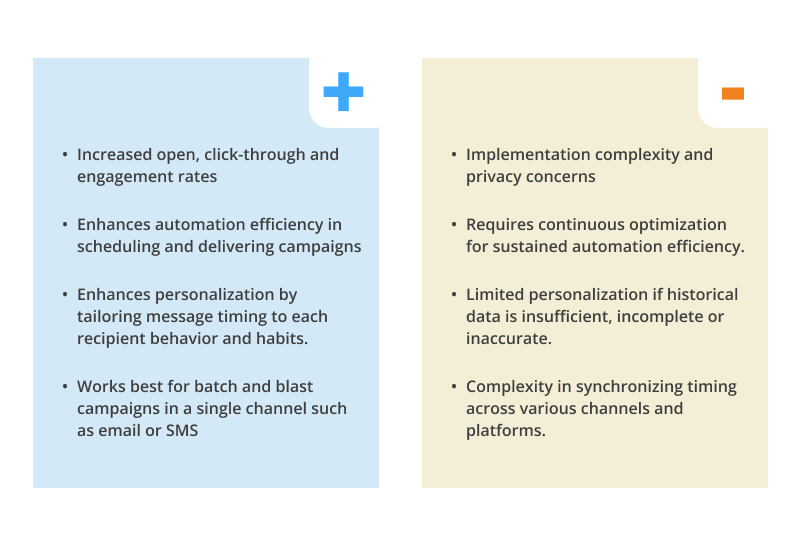
While the benefits of send time optimization are apparent with higher open and click-through rates, we believe that it is not a silver bullet it’s made out to be. In order to maximize impact and campaign outcomes, it’s recommended to adopt a holistic approach that combines send time optimization with other relevant best practices.
The Limitations of Send Time Optimization: Navigating the Complexities
While send time optimization stands as a formidable tool in the marketing automation arsenal, it’s crucial to recognize that it’s not a panacea for all challenges.
As with any strategy, it has its limitations, and understanding these is essential for a comprehensive and realistic approach to campaign management.
Heterogeneity of Audience Behavior:
One of the primary challenges that enterprises may face in implementing send time optimization is the diverse and ever-changing nature of audience behavior. While send time optimization aims to tailor campaign timing to the habits of a target audience, individual preferences and routines can vary significantly. What works for one segment of the audience may not be effective for another, making it impossible to provide a universal solution.
Overlooking Content Quality:
While the timing of a campaign is undeniably crucial, it is not the sole determinant of success. The quality and relevance of the content play an equally vital role. An impeccably timed message carrying subpar content is unlikely to yield the desired results. Thus send time optimization should be viewed as a complementary strategy rather than a standalone solution.
Dynamic Nature of User Behavior:
The digital landscape is dynamic, and user behavior evolves over time. What may be an optimal time for engagement today might not hold true tomorrow. Strategies must be continually refined and adapted to keep pace with shifting user habits, preferences, and external factors influencing online behavior.
Platform Limitations and Algorithmic Changes:
Social media platforms and email service providers frequently update their algorithms and features. What was effective in the past might lose its efficacy as platforms introduce changes. Additionally, certain platforms may not provide the level of granularity required for robust implementation, limiting its applicability in some contexts.
Inability to Compensate for Poor Targeting:
Even the most perfectly timed campaign will fall flat if it fails to resonate with the intended audience. It does not compensate for inadequate audience targeting or irrelevant content. Thus, enterprises must first ensure that they are reaching the right audience with a message that aligns with their interests and needs before focusing on the timing of delivery.
Neglecting Multichannel Integration:
Send Time Optimization is often applied within the confines of individual channels, such as email or SMS. However, for a comprehensive and effective marketing strategy, campaigns must be integrated across multiple channels. Relying solely on send time optimization within a single channel neglects the synergies that can be achieved through a coordinated, multichannel approach.
Inability to Predict External Factors:
Unpredictable external factors, such as economic changes, global events, or sudden shifts in consumer sentiment, can profoundly impact campaign effectiveness. Send time optimization, while adept at leveraging historical user data, may struggle to account for unforeseen variables that influence user behavior.
Diverse Audience Time Zones:
In the era of global connectivity, reaching a diverse audience across multiple time zones poses a challenge. Send Time Optimization strategies need to account for these variations to ensure that campaigns are delivered when users are most likely to engage, regardless of their geographic location.
Instances when Send Time Optimization Falls Short:
Send-time personalization cannot be applied to every message. It may not work in the following scenarios:
- Time-sensitive notifications and messages
- Limited availability of historical data
- Event-driven or trigger campaigns
- Short-term promotions or flash sales
- Frequent campaign iterations
In summary, while Send Time Optimization represents a valuable asset in the campaign management toolkit, it is essential to approach it with a realistic understanding of its capabilities and limitations. It should be part of a broader, well-rounded marketing strategy that encompasses audience segmentation, compelling content creation, and continuous adaptation to the dynamic digital landscape. By recognizing the boundaries of the approach and complementing it with other effective strategies, businesses can navigate the complexities of campaign management more adeptly,
Best Practices for Seamless Send Time Optimization Integration: A Holistic Approach to Campaign Success
Implementing Send Time Optimization successfully requires a nuanced strategy that goes beyond simply identifying optimal delivery times. Here are some best practices for seamlessly implementing Send Time Optimization along with other strategies:
Audience Segmentation:
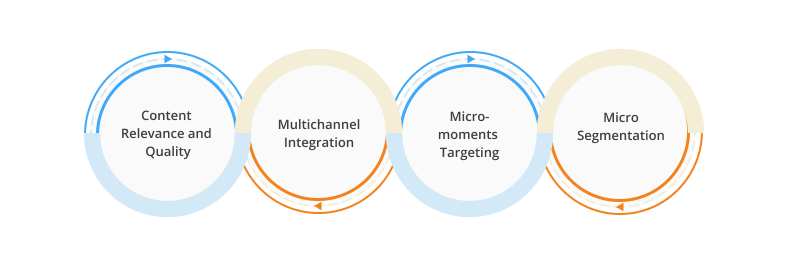
Begin by segmenting your audience based on relevant criteria such as demographics, preferences, and behaviors. This allows for a more targeted application of send time optimization. Understanding the distinct characteristics of each segment enables tailored messaging and optimal timing based on the specific habits of each group.
Data-Driven Analysis:
Leverage robust analytics tools to gather and analyze data related to user behavior. Evaluate historical engagement patterns, time zone differences, and device preferences. This data-driven approach forms the foundation for effective Send Time Optimization. Implement machine learning algorithms to identify trends and make predictions about future user behavior.
Content Relevance and Quality:
Send Time Optimization is most effective when combined with high-quality, relevant content. Prioritize crafting compelling messages that resonate with your audience. Ensure that the content aligns with the interests and needs of different audience segments. Send time optimization should complement, not compensate for, the quality of your marketing content.
Multichannel Integration:
Embrace a multichannel marketing approach using email marketing software that integrates Send Time Optimization across various channels, such as email, SMS, and other digital platforms. Consistency in timing and messaging enhances brand visibility and fosters a cohesive customer experience. Consider how your send time optimization strategy aligns with the overall marketing calendar to create a unified and impactful campaign.
Continuous Testing and Optimization:
Implement a culture of continuous testing and optimization. Regularly assess the effectiveness of your strategy and adjust it based on evolving user behavior, external factors, and platform algorithm changes. A proactive approach ensures that your campaign remains adaptive and resilient in the face of dynamic market conditions.
Personalization and Micro-Moments:
Elevate your STO strategy by incorporating personalization techniques. Tailor messages to individual preferences, behaviors, and even past interactions. Consider micro-moments – brief windows of opportunity when users are most receptive to specific messages. Personalized, timely content enhances user engagement and increases the likelihood of conversion.
Is Send Time Optimization right for you?
Determining whether sent time optimization (STO) is the right fit for your specific needs requires careful consideration of various factors. Here are some factors that will help you assess if Send Time Optimization aligns with your business goals and operational dynamics:
-
Understanding Your Audience Dynamics: Assess the dispersion of your audience and their time zone preferences; STO is beneficial for a broad audience with observable behavior patterns.
-
Availability of Historical Data: Evaluate the depth and quality of your data; STO effectiveness relies on robust historical user engagement data.
-
Campaign Objectives and Messaging: Consider the urgency of your campaigns; STO may not align with real-time or urgent messaging but is suitable for consistent content delivery.
-
Degree of Campaign Personalization: Gauge the level of personalization in your campaigns; STO complements strategies focusing on personalized content for specific audience segments.
-
Frequency of Campaign Iterations: Assess how often you update campaigns; frequent changes may require a more flexible timing approach beyond STO constraints.
-
Multichannel Marketing Approach: Consider your use of multiple channels; STO is most effective when seamlessly integrated across various channels.
-
Resources for Continuous Optimization: Evaluate resources for ongoing adjustments; STO requires continuous monitoring, analysis, and optimization.
-
Industry-Specific Considerations: Consider industry dynamics; STO may be advantageous for industries with global audiences or specific behavioral patterns.
-
Trial Periods and Experimentation: Summary: Implement STO on a trial basis; Experimentation allows observation of its impact before full commitment.
-
Flexibility in Campaign Timelines: Evaluate campaign flexibility; STO may be less suitable for campaigns demanding immediate responses or aligning with time-sensitive events.
---insight-section---
Conclusion
In the ever-evolving landscape of digital marketing, Send Time Optimization emerges as a potent ally, offering the promise of delivering messages when they are most likely to resonate with the audience. While the benefits of STO, from increased open rates to improved engagement, are evident, it's crucial to view it as a piece of the larger puzzle rather than a standalone solution.
The complexities of audience behavior, content quality, and the dynamic nature of the digital realm pose challenges that STO alone may not fully address. To truly maximize the impact of your campaigns, a holistic approach is key. Integrating STO with audience segmentation, data-driven analysis, compelling content creation, and a multichannel strategy ensures a comprehensive and adaptable marketing strategy.
As we navigate the intricate landscape of campaign management, recognizing the boundaries and limitations of Send Time Optimization becomes paramount. It's not a silver bullet, but when combined with best practices, continuous testing, and a keen understanding of audience dynamics, STO becomes a formidable tool in the campaign management toolkit. So, embrace the strategic art of timing, experiment, adapt, and elevate your campaigns to new heights in the digital age.