---blog Title---
The Future of Customer Experience: Augmenting Digital Platforms with AI-Powered Personalization
---desktop---

---mobile---
Introduction
In this interconnected digital world, the ability to deliver a personalized and exceptional customer experience has become not just a differentiator but a necessity for mid-market and enterprise organizations. It makes entering the world of AI-powered personalization a game changer, as it plays a pivotal role in providing customers with enhanced, tailored, and delightful experiences.
Acknowledging the significance of AI is not just a strategic move but a survival imperative. AI technologies bring forth the promise of not just keeping up with industry trends but leapfrogging ahead by anticipating and meeting customer expectations before they even arise.
Within the realm of AI-powered personalization lie a myriad of facets, each contributing to a more immersive and customer-centric experience. From smart product recommendations to dynamic content customization, the potential applications of AI in personalization are vast and varied. In this article, we will unravel the intricacies of AI-powered personalization, exploring how it is reshaping customer interactions and revolutionizing the very essence of business-customer relationships.
---outlined-cta--- [Free Download] - Navigate your CX Gen-AI journey: Avoid 7 Critical Mistakes for Seamless Success!
The Evolution of AI in Customer Experience
Overview of AI technologies in the business landscape
Artificial Intelligence (AI) stands at the forefront of technological innovation, offering a rich tapestry of tools that transcend traditional business paradigms.
Machine Learning (ML), a cornerstone of AI, enables systems to sift through vast datasets, discern patterns, and make data-driven predictions.
Natural Language Processing (NLP) empowers machines to understand and respond to human language, fostering more intuitive interactions.
Computer Vision allows for the analysis of images and videos, while Robotic Process Automation (RPA) streamlines repetitive tasks.
This amalgamation of AI technologies represents a seismic shift from static, rule-based systems to adaptive, intelligent solutions capable of learning and evolving over time. As we traverse the landscape of AI, it becomes clear that its influence extends far beyond mere automation; it's a catalyst for redefining how businesses understand and engage with their customers.
---outlined-cta--- [“AI-powered personalization leverages artificial intelligence algorithms to analyze vast amounts of customer data, identifying patterns, preferences, and behaviors. This nuanced understanding enables businesses to tailor digital experiences, delivering content, products, and services that resonate on an individual level.”]
The Role of AI in Enhancing Customer Understanding and Engagement
Beyond its technological prowess, AI serves as a conduit to a deeper understanding of customers. By analyzing vast datasets, AI systems discern patterns in customer behavior, preferences, and sentiment. This newfound comprehension allows businesses to transcend generic interactions, tailoring their products and services to meet the unique needs of each customer.
AI's ability to decipher the intricacies of individual preferences transforms customer engagement from transactional to relational, forging more meaningful and lasting connections.
AI as a Catalyst for Proactive and Predictive Experiences
AI's prowess extends beyond reactive responses; it's a proactive force reshaping customer experiences. Predictive analytics, powered by AI algorithms, enable businesses to anticipate customer needs and preferences.
From personalized product recommendations to proactive customer support, AI-driven systems forecast future requirements, providing customers with solutions before they even articulate their desires. This shift from reactive to predictive experiences positions AI as a revolutionary tool, ushering in an era of seamless, anticipatory, and delightful customer interactions.
Augmenting Digital Platforms with AI-Powered Personalization
Smart Product Recommendations
Smart product recommendations refer to the proactive and personalized suggestions made to users based on their past behaviors, preferences, and interactions with a platform. Unlike generic recommendations, these smart suggestions leverage advanced algorithms to analyze data and deliver a tailored shopping experience.
These algorithms go beyond basic rule-based systems, utilizing machine learning to analyze and interpret intricate patterns in customer behavior.
Here is how AI Algorithms Analyze Customer Behavior to Suggest Personalized Products:
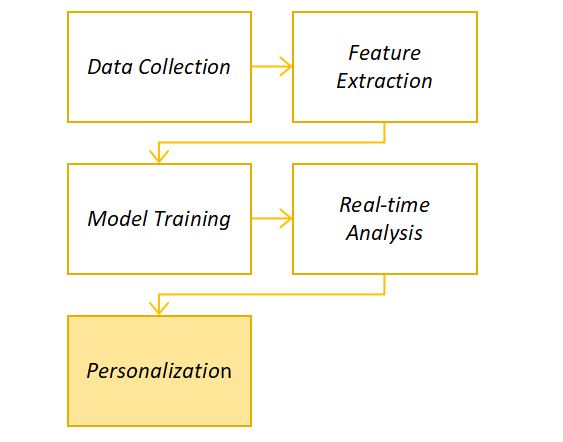
- Data Collection: AI algorithms start by gathering a diverse set of data points, including user browsing history, purchase patterns, and even contextual information like time of day or location.
- Feature Extraction: The algorithms identify relevant features or characteristics from the data, such as frequently viewed products, purchase frequency, or preferred categories.
- Model Training: Machine learning models are trained on historical data to understand the complex relationships between different features and user preferences. This training allows the algorithm to make predictions about what products a user might be interested in.
- Real-time Analysis: As users interact with the platform, the AI algorithms continuously analyze real-time data to adapt and refine recommendations. This dynamic process ensures that recommendations stay relevant and up-to-date.
- Personalization: The final step involves presenting personalized product recommendations to users based on the insights gained from the analysis. This could include suggestions like "Frequently bought together," "Recommended for you," or "Similar items."
By understanding user behavior in such depth, AI algorithms can anticipate and fulfill users' needs, creating a seamless and enjoyable shopping experience. This personalized approach not only drives customer satisfaction but also contributes to increased sales and customer loyalty, making smart product recommendations a key asset for businesses in the digital age.
Value-Added Services
Value-added services refer to supplementary offerings that go beyond the core product or service, aiming to enhance the overall customer experience. In the context of AI-powered personalization, businesses are leveraging advanced technologies to provide customers with services that are not only personalized but also add significant value to their interactions.
Whether it's predictive maintenance, personalized recommendations, or proactive problem resolution, the integration of AI elevates these services to new heights, fundamentally altering the way customers perceive and engage with brands.
How AI Enhances Customer Experiences Through Personalized Service Offerings?
- Proactive Issue Resolution: AI predicts and addresses potential issues before they escalate, showcasing a commitment to customer satisfaction.
- Tailored Recommendations and Advice: AI goes beyond product recommendations, offering personalized advice such as fitness plans, financial guidance, or travel itineraries based on individual preferences.
- Customized Learning and Skill Development: Educational platforms use AI for adaptive learning, tailoring content to individual strengths and weaknesses for personalized skill development.
- Automated Personal Assistance: AI-powered chatbots and virtual assistants provide immediate, personalized assistance, guiding users through processes efficiently.
- Personalized Health and Wellness Plans: AI analyzes health data to craft personalized fitness routines, dietary plans, and stress management strategies for individual well-being.
- Individualized Financial Guidance: Financial institutions leverage AI to offer customized investment recommendations and budgeting advice, fostering trust and enhancing financial well-being.
---outlined-cta--- [“In the digital era, businesses must not only meet customer expectations but surpass them. Leveraging AI is the key to unlocking a new frontier of anticipatory, hyper-personalized experiences that redefine excellence.”]
Dynamic Content Customization
Dynamic content customization involves the real-time tailoring of content based on user preferences, behaviors, and contextual factors. In the era of information overload, businesses are increasingly turning to dynamic content customization powered by artificial intelligence to cut through the noise and engage users effectively.
---outlined-cta--- [“74% of consumers feel frustrated when brands provide irrelevant content or offers”Source: McKinsey & Company]
Here are some of the ways businesses use dynamic content customisation on their websites, emails, and marketing materials.
- Website Personalization: AI dynamically adjusts website content based on user behavior, showcasing personalized product recommendations, content suggestions, or even changing website layouts to suit individual preferences.
- Email Campaigns: AI tailors email content to individual recipients, ensuring that the subject lines, product recommendations, and call-to-action elements align with the recipient's preferences and past interactions.
- Marketing Automation: In marketing materials, AI-powered dynamic content customization allows for personalized messages in real-time. This could include dynamically changing ad creatives, adapting marketing copy, or tailoring promotions based on user behavior.
- E-commerce Product Recommendations: E-commerce platforms leverage AI to dynamically display product recommendations on product pages, checkout pages, and even in post-purchase communications, enhancing the likelihood of cross-selling and upselling.
Personalized Campaigns
AI empowers marketers to understand their audience on a granular level, analyzing vast datasets to uncover patterns, preferences, and behaviors. This in-depth understanding forms the foundation for crafting campaigns that speak directly to the needs and interests of each segment.
From personalized content and tailored offers to individualized messaging, the power of AI in marketing lies in its ability to make every campaign feel like a one-on-one interaction.
Here is how businesses utilize AI-driven insights for more effective personalized campaigns:
- Behavioral Segmentation: AI analyzes user behavior to identify distinct patterns, enabling marketers to segment audiences based on how users interact with products, content, and the platform. This behavioral segmentation ensures that campaigns are tailored to specific actions and preferences.
- Predictive Analytics: Leveraging predictive analytics, AI can forecast future customer behaviors. By understanding potential actions, businesses can segment audiences in anticipation of needs, ensuring that campaigns are not just reactive but proactive in nature.
- Demographic and Psychographic Insights: AI considers not only explicit user data but also demographics and psychographics. By combining these insights, businesses create segments based on factors such as age, location, interests, and values, ensuring campaigns are relevant and resonate with the unique characteristics of each group.
- Real-Time Adjustments: The dynamic nature of AI allows for real-time adjustments to audience segments. As user behavior evolves, AI-driven insights enable marketers to adapt campaigns on the fly, ensuring ongoing relevance and effectiveness.
Sentiment Analysis
Sentiment analysis involves the use of natural language processing and machine learning algorithms to analyze textual data, such as customer reviews, social media comments, and support interactions. By discerning whether sentiments are positive, negative, or neutral, businesses gain valuable insights into the emotional landscape of their customer base. This understanding forms the foundation for tailored responses, proactive issue resolution, and the cultivation of positive brand sentiment.
For personalization, sentiment analysis adds an extra layer of sophistication to tailor experiences. Here are some ways sentiment analysis benefits businesses:
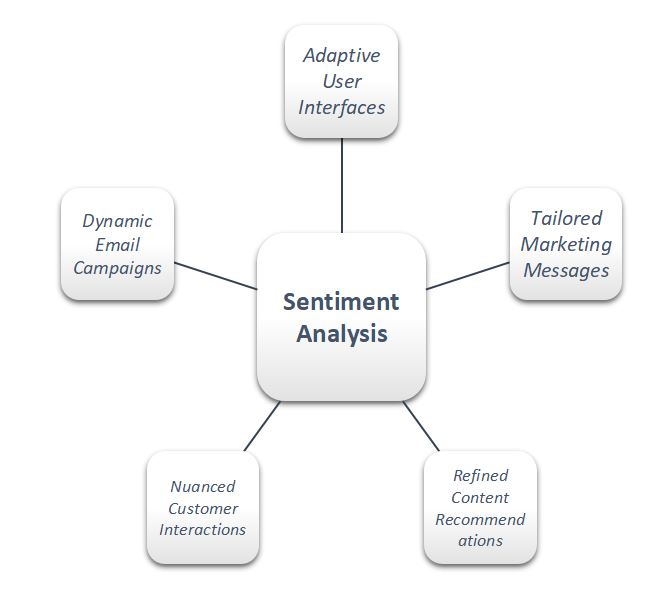
- Refined Content Recommendations: Sentiment analysis fine-tunes personalized content recommendations based on users' emotional responses, ensuring relevance and resonance.
- Adaptive User Interfaces: Personalization enhanced by sentiment analysis leads to adaptive user interfaces that dynamically respond to users' emotional states, improving overall user experience.
- Tailored Marketing Messages: Sentiment analysis refines personalized marketing messages to align with users' emotions, making marketing efforts not just personalized but emotionally intelligent.
- Dynamic Email Campaigns: Email campaigns benefit from sentiment analysis, allowing businesses to adjust the tone, content, and offers based on recipients' sentiments for more engaging interactions.
- Nuanced Customer Interactions: Sentiment analysis contributes to more nuanced and empathetic customer interactions, enhancing the personalization of AI systems in response to users' emotional cues.
---outlined-cta--- ["At Xerago, we don't just identify; we innovate. Utilising Artificial Intelligence and Machine Learning, we build tools and solutions that are intricately designed to tackle your unique challenges, propelling your digital efficacy to new heights.”]
---insight-section---
Conclusion
The journey of AI in the customer-centric landscape is an ongoing evolution with boundless potential. As AI-powered personalization continues to advance, businesses must stay agile and embrace emerging technologies to stay ahead of customer expectations. The perpetual evolution of AI not only shapes the future of customer experiences but also presents opportunities for innovation, efficiency, and a deeper understanding of individual needs—making it essential for organizations to measure their ROI with AI strategically.
Although magnetising audiences towards you is a continuous journey, the key lies in adopting a customer-centric mindset, continually adapting strategies, and embracing the limitless possibilities that AI holds for the future of personalized customer experiences.